TL;DR
- AI agents in HR go beyond simple chatbots by autonomously reasoning through complex, multi-step workflows, screening candidates, onboarding employees, and managing compliance, across all your existing systems without requiring programmers.
- HR teams can define automations in plain English (for example, "screen new applicants weekly and schedule interviews"), and the platform builds and runs the process, handling exceptions by looping in a human expert and learning for next time.
- Key benefits include reduced time-to-hire, improved employee experience, continuous compliance monitoring, and freed-up HR professionals who can shift from repetitive admin work to higher-value strategic roles.
The Problems of an Ailing HR System
For Chief People Officers (CPOs) and other senior leaders, the human resources function is the engine that drives a company’s culture and performance. When this system is running smoothly, it powers employee engagement and propels the organization forward. When it’s bogged down by friction, however, it can be a costly and inefficient drag. For too long, HR has been a manual ritual, built on fragmented data, time-consuming administrative work, and the constant risk of human error. This is the central challenge that AI Agents in HR are designed to solve.
The modern vision of HR is not one run by humans alone, nor is it one run by a collection of disconnected tools. A new approach is needed, one that embraces the intelligence and adaptability of modern AI. This article will guide HR leaders through a new, strategic approach to AI in HR, one that moves beyond simple task execution and into the realm of intelligent, autonomous process management. We will explore how advanced platforms are providing the foundation for this revolution, enabling HR teams to become true strategic partners in a company’s growth.
The Strategic Shift from Chatbots to AI-Powered Agents
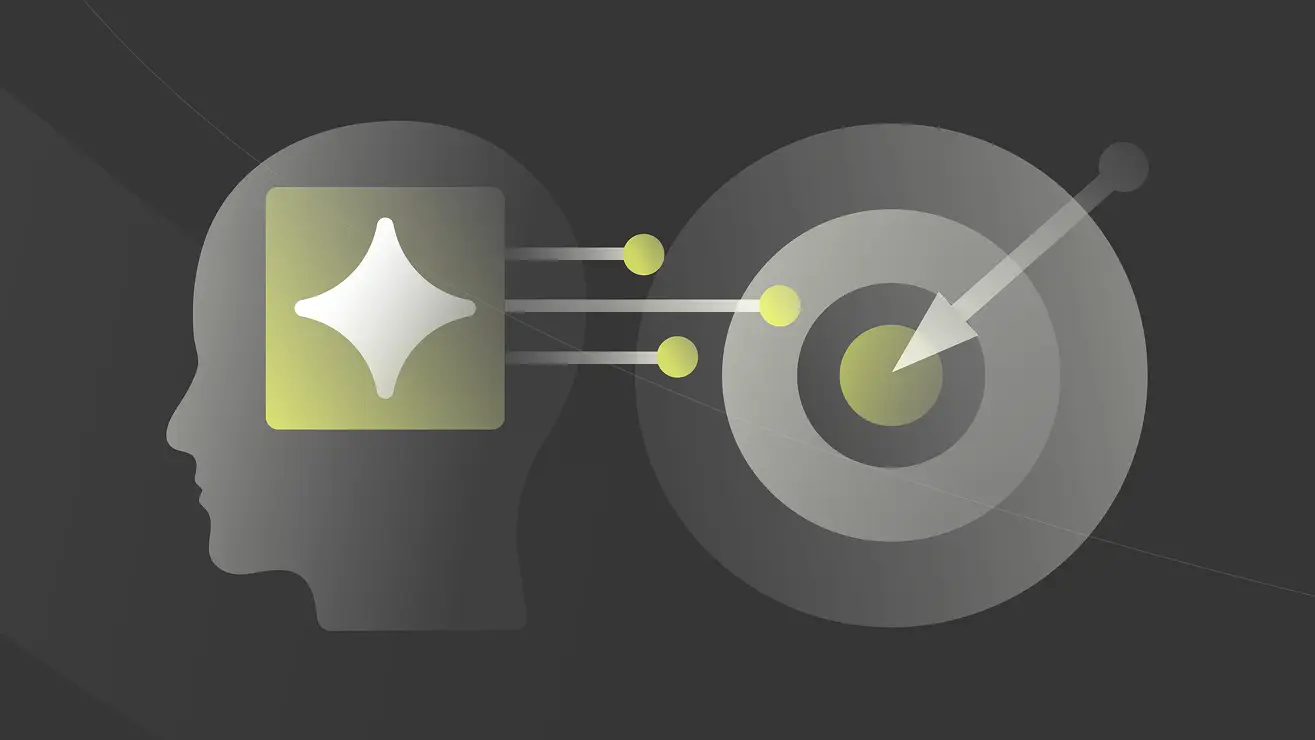
The next generation of HR automation is not a static tool; it is an intelligent, autonomous agent. This agent can perceive its environment, reason through complex workflows, and act across multiple systems to get a job done. Advanced platforms have pioneered this agentic approach, providing a foundation designed for the precision, transparency, and adaptability that modern HR requires. It is not a generic AI platform or a rigid rule-based system. It is a strategic solution for AI agents for human resources. The key is to transform the traditional, manual system into a healthy, AI-powered central nervous system.
1. Natural Language as a Blueprint
The greatest friction in HR is the gap between a business need and a technical command. The next generation of AI bridges this with a revolutionary “English as code” approach. An HR professional can simply type a process in plain English, for example, “Each week, screen all new applicants from our ATS, rank the top 20, and send them an email to schedule an interview.” The platform automatically documents and automates this workflow, eliminating the need for programmers. This is the new way of building a true AI in recruiting process.
2. Intelligent Reasoning for Precision
The HR function is not always a linear process. It is full of exceptions. What happens when a candidate’s availability conflicts with the hiring manager’s? What if a required background check returns a non-standard result? Traditional automation would simply fail. The most advanced AI platforms are built for this complexity. They combine the reasoning of symbolic AI with the power of generative AI. This provides the intelligence to handle these exceptions. When an agent encounters an unfamiliar scenario, it can pull in a human expert. It learns from their input, and the platform automatically updates the process for the future. This creates robust, resilient automation that is essential for a competitive talent acquisition operation. This is a significant step forward in artificial intelligence in recruitment and selection.
3. A Unified Platform for a Holistic Strategy
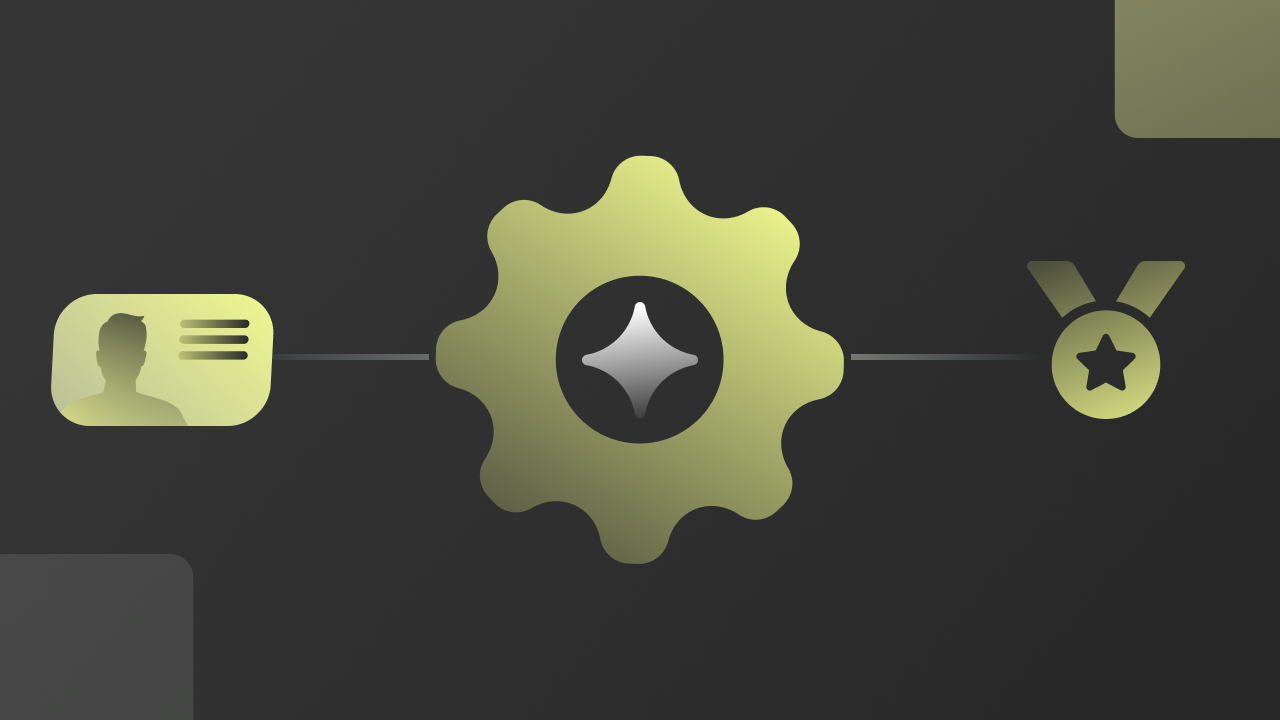
A modern AI in HR strategy requires a unified platform that can orchestrate a workflow across multiple systems. The ideal platform provides built-in document and Excel processing, browser automation, and connectors to hundreds of enterprise applications. This allows a single AI agent to manage a complete workflow, from pulling a resume from a talent platform to a data entry task in an HRIS system. This approach consolidates the tech stack, reduces complexity, and ensures a cohesive automation strategy for an HR team.
Key Use Cases for AI Agents in HR
The clearest place agentic AI changes HR is recruiting and talent acquisition, where the work is high-volume, multi-step, and full of exceptions. The broader administrative processes (onboarding, employee data, benefits, and offboarding) are covered in our HR automation guide; here we focus on the agentic, recruiting-specific angle.
Recruiting and candidate screening
- AI Agent Use Case: An agent screens every new applicant from the ATS against the role's criteria, ranks the strongest candidates, and schedules interviews, resolving conflicts between candidate and hiring-manager availability rather than failing on them.
- Impact: Cuts time-to-hire by removing the manual screening and scheduling bottleneck, and applies consistent, criteria-based evaluation across every applicant.
Interview coordination and the hiring workflow
- AI Agent Use Case: Across the hiring workflow, an agent gathers interview feedback, chases missing inputs, and handles non-standard background-check results by reasoning about them, moving candidates through the stages while a human approves the decisions that matter.
- Impact: Keeps the pipeline moving without manual coordination, while the hiring decision itself stays with people.
For onboarding, employee data management, benefits, and offboarding automation, see the HR automation guide, which covers those administrative processes in full.
The ROI of Intelligence: The Benefits of AI Agents in HR
The strategic deployment of AI Agents in HR brings a host of measurable benefits that go far beyond simple cost reduction.
- Improved Operational Efficiency: By automating back-office processes, HR professionals can significantly reduce the time spent on repetitive tasks, allowing them to focus on higher-value work. This is a core benefits of AI agents in HR.
- Enhanced Employee Experience: Automating the administrative side of the employee lifecycle ensures a faster, more personalized, and more transparent experience for employees, which strengthens a company’s employer brand.
- Reduced Time-to-Hire: By automating the time-consuming steps of screening, scheduling, and onboarding, AI agents for HR dramatically reduces the time it takes to fill a position.
- Reduced Bias: AI can be used to eliminate unconscious human bias by focusing on objective criteria, which can lead to a more diverse and equitable hiring process.
- Empowered Employees: By offloading mundane tasks, AI in HR empowers HR professionals to take on more strategic roles, improving job satisfaction and reducing burnout.
Addressing the Hurdles to AI Agents for HR
Adopting AI is not without its challenges. The biggest hurdles are often a lack of transparency, the risk of perpetuating bias, and the difficulty of integrating new AI systems with legacy HR technology. The challenges in AI agents for HR include:
- Integrating disparate systems: Many companies use a mix of legacy and modern platforms.
- The need for transparency: The HR function requires a clear, auditable trail of all actions, and some AI models are seen as a “black box.”
- Data quality and bias: AI is only as good as the data it processes, and biased data can lead to biased hiring.
Advanced platforms are designed to mitigate these. Their ability to work with unstructured data and integrate with both modern and legacy systems ensures that a company can begin its AI journey without a complete overhaul of its existing infrastructure. Their natural language interface helps overcome the skills gap, as employees don’t need to be programmers to build and use automations.
The Future of AI Agents in HR
The future of AI agents in HR is not a world without human professionals. It is a seamless, strategic partnership between intelligent AI agents and human expertise. The ultimate role of AI agents for human resources is to empower human professionals with better tools, enabling them to focus on what truly matters: strategic analysis, talent strategy, and building relationships.
As the HR landscape continues to evolve, the distinction between manual work and strategic insight will blur. The data from various systems will flow instantly into the administrative systems, triggering intelligent workflows that ensure a smooth and compliant operation. The ability to build and grow an AI-driven back-office is the key to unlocking true operational excellence and securing a competitive advantage in the future. The future of AI agents in HR will be defined by intelligent agents.
Kognitos offers a unified platform that can handle any structured and unstructured data, including documents, emails, spreadsheets, and data from hundreds of enterprise applications. This allows a single AI agent in HR to orchestrate entire workflows, consolidating the tech stack and reducing tool sprawl. For example, a single agent could process an invoice sent in an email, extract key data from a PDF, and then enter that data into an ERP system.