TL;DR
Self-healing IT systems for business processes in 2026 combine automated exception diagnosis, intelligent human-in-the-loop routing, and continuous learning. The traditional definition (infrastructure that restarts itself when a server fails) solved half the problem. The brittle layer was always the business process: an unrecognized invoice line, a new vendor format, an out-of-tolerance reconciliation. Agentic AI built on a deterministic neurosymbolic architecture detects the exception, routes it to the right business expert with full context, and learns the resolution so the next occurrence is handled automatically.
The concept of self-healing IT systems has been a long-standing goal for CIOs and technology leaders. The vision is compelling: an infrastructure that can automatically detect a failing server, diagnose the root cause, and reroute traffic or restart a service without any human intervention. This focus on resilient hardware and networks is critical, but it only solves half of the problem. While we’ve been building self-healing infrastructure, the complex business processes that run on top of it (procure-to-pay, financial reporting, customer onboarding) remain incredibly brittle.
When these critical workflows encounter an unexpected exception, they don’t heal. They break. This creates a cascade of manual clean-up, operational delays, and costly interventions. This article is a guide for leaders on how to expand the concept of self-healing beyond the data center and apply it to the very core of the enterprise: its business processes. It’s time to explore a new paradigm that moves past fragile automation and builds a truly resilient, self-healing IT system for your entire operation.
We will demonstrate how a platform built on AI reasoning and natural language can automatically diagnose process exceptions, intelligently route them to the correct human expert for guidance, and, most importantly, learn from the resolution to heal the process for the future. This is how you create an enterprise where your most critical operations are not just automated, but are intelligent, adaptable, and capable of healing themselves, ensuring true business continuity. Self-healing is one capability within a broader IT operations automation strategy.
The Brittle Nature of Modern Business Automation
For the past decade, organizations have been trying to automate their core business processes, but the tools they’ve used were not designed for resilience. The first wave of automation, powered by Robotic Process Automation (RPA), was a significant step, but it created a landscape of fragile bots.
RPA automations are essentially scripts that mimic human clicks and keystrokes. They are procedural, not intelligent. A minor change to a software application’s interface or an extra field in a web form can cause the entire automation to fail. This has left IT teams with a constant and costly maintenance burden. This is not a self-healing IT system; it is a system that requires constant care and feeding.
More recently, generic AI platforms have entered the market, but they introduce a different, more profound risk for business processes: a lack of governance and the potential for hallucination. In a regulated process like financial reporting, an AI that can fabricate or misinterpret data is an unacceptable liability. These limitations make it clear that a new kind of self-healing technology is needed: one that combines the intelligence of AI with the precision and auditability that the enterprise demands.
Redefining the Self-Healing IT System for Business
To achieve true business resilience, we must expand our definition. A self-healing IT system for business is not just about recovering from a technical fault. It is a system that can intelligently adapt to the inevitable exceptions and changes that are a part of everyday work.
This new kind of self-healing IT system has three core capabilities:
- Automated Diagnosis: When a process deviates from the norm (e.g., an invoice arrives with a new, unrecognized line item), the system doesn’t just fail. It uses AI reasoning to diagnose the specific problem and understand its context.
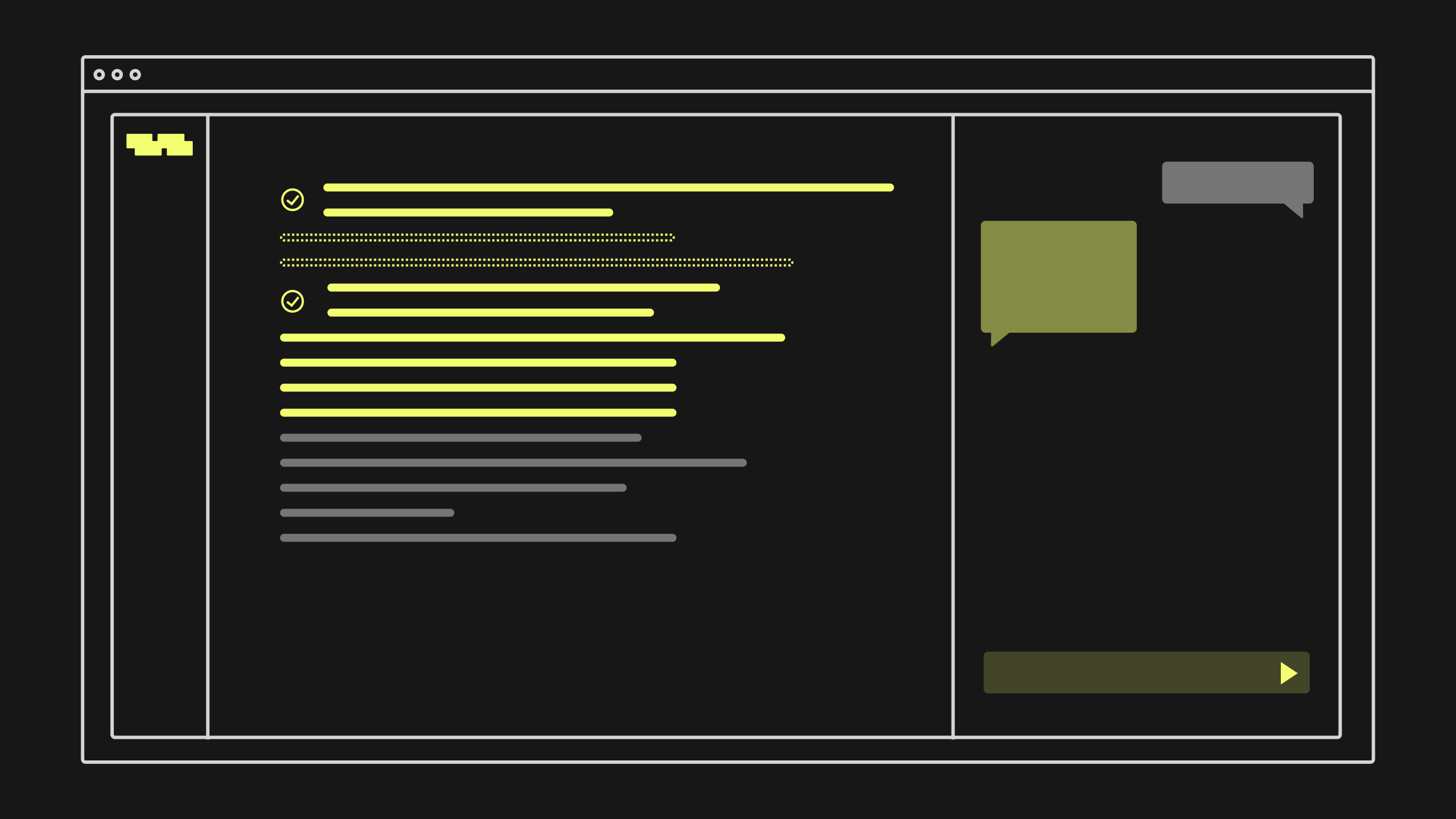
- Intelligent Human-in-the-Loop Remediation: The system identifies the exact person in the organization with the business knowledge to solve the exception and routes it to them with a clear explanation of the problem. This is the foundation of effective self heal IT automation.
- Continuous Learning and Healing: This is the most critical step. After the business expert provides guidance, the system learns the new rule or logic. The process is “healed,” and the next time the same exception occurs, it is handled automatically.
This creates a powerful feedback loop where every resolved exception makes the entire business process smarter and more resilient. This is the core principle of a self-healing IT system with AI applied to operations.
The Technology Behind a Self-Healing Business Process
This level of intelligent automation is not possible with traditional, code-based systems. It requires a new architecture built on a foundation of natural language and AI reasoning.
The key is to use English as the programming language for automation. When a finance expert can describe the rules for invoice processing in plain English, that knowledge is captured directly, without the risk of misinterpretation by a developer. This makes the system inherently transparent and auditable.
This approach is powered by a neurosymbolic AI architecture. This is a critical piece of the self-healing technology puzzle. It combines the contextual understanding of large language models with a symbolic reasoning engine that ensures business rules are followed with logical precision. This design eliminates the risk of AI hallucinations, a non-negotiable requirement for any self-healing IT system that touches financial or customer data. The human-in-the-loop capability, where the system can ask for help, is the mechanism that allows this self-healing IT automation to learn and adapt over time.
Self-healing business processes in the 2026 AI stack
Self-healing as an architectural pattern sits at the intersection of agentic AI, human-in-the-loop governance, and the four-mode error model that production AI systems exhibit. The agentic layer is where the diagnosis happens. See what agentic AI is and the underlying neurosymbolic AI architecture that makes the captured rules deterministic and auditable. The human-in-the-loop pattern is the resolution interface, and the question of whether it scales depends on the routing logic. See the human-in-the-loop bottleneck for the failure modes to avoid. The exceptions a self-healing system handles are the same four classes covered in how to manage AI errors in enterprise automation: hallucination, misclassification, drift, and brittleness. For a worked example of a self-healing AP pipeline that progresses from exception capture to touchless completion, see the best AI invoice processing software for enterprise finance teams in 2026.
The Benefits of Self-Healing IT for Business Operations
When you apply the principles of a self-healing IT system to your core business processes, the strategic benefits are immediate and profound. The benefits of self healing IT extend far beyond the IT department.
- Unprecedented Resilience: Your most critical operations, from supply chain to finance, can now adapt to unexpected changes without breaking. This is the definition of true business continuity.
- Radical Agility: Business processes are no longer set in stone by rigid code. When a market condition or a regulation changes, your business experts can update the process in minutes simply by describing the change in English.
- A Dynamic System of Record: Every time the system learns from a human expert, it captures that “tribal knowledge.” Your automated processes become a living, breathing documentation of how your business actually works, continuously updated and always accurate.
This is what a true self-healing IT system with AI delivers: an enterprise that is not just efficient, but is also intelligent, adaptable, and perpetually improving.