Key Takeaways
AI in manufacturing is usually pictured on the shop floor (robotic arms, IoT sensors, and computer-vision quality control), but this post argues the most transformative gains now come from the back office. Administrative workflows like supply-chain management, procurement, accounts payable, production planning, and quality-assurance documentation are typically fragmented, manual, and spread across disconnected ERPs, CRMs, and supplier portals. Because they run on unstructured data such as emailed purchase orders and PDF invoices, traditional automation struggles with them. Kognitos is presented as an agentic AI platform that reads these documents, orchestrates multi-step processes end to end, cross-references data against systems of record, and produces an auditable trail. The takeaway is that a truly smart factory unifies floor and office, so leaders should extend their manufacturing automation strategy beyond robotics into the administrative processes that connect production to the wider business.
Related: The Top 5 Back-Office Functions That Should Be Automated.
How AI in Manufacturing is Transforming the Back Office
The modern vision of a smart factory is often centered on the shop floor: robotic arms, IoT sensors, and computer vision systems ensuring quality control. For years, leaders have invested in these on-the-floor technologies, and for good reason. They deliver tangible efficiency and precision. However, a truly intelligent and agile manufacturing operation is not defined solely by what happens on the assembly line. It is a seamless and integrated system where the back office, the administrative and operational heart of the company, works in perfect concert with production. This is the new frontier for AI in manufacturing.
The reality is that administrative processes, from supply chain management and procurement to finance and quality assurance documentation, are often fragmented, manual, and full of friction. They represent a significant source of delay, error, and cost. While on-the-floor robotics have captured the spotlight, the most transformative and sustainable change is now coming from the AI in the manufacturing industry that solves these complex back-office challenges. This article will guide manufacturing leaders through a new, strategic approach to leveraging AI, one that moves beyond the shop floor and creates a truly unified, intelligent operation.
The Challenge of the Fragmented Back Office
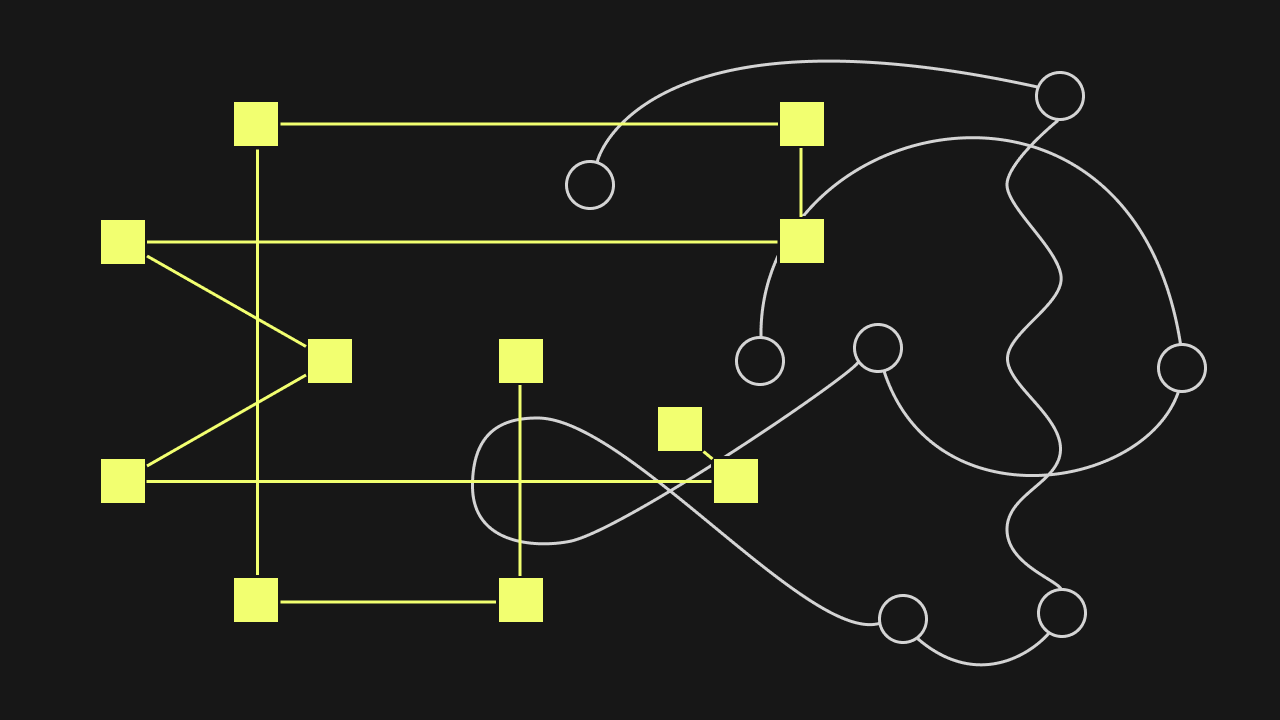
A modern manufacturing company’s operational flow is a complex web of interconnected processes. A single production order might involve:
- A sales order in a CRM system.
- A bill of materials (BOM) in an ERP.
- A purchase order for raw materials sent to a vendor via email.
- Logistics tracking data from a third-party portal.
- An invoice from a supplier sent as a PDF.
- A payment initiated in an accounting system.
- A final quality assurance report stored on a shared drive.
Managing this end-to-end workflow manually is not only inefficient but prone to human error. The various systems don’t talk to each other, and teams are often bogged down by repetitive data entry and communication tasks. While manufacturing and artificial intelligence are often discussed, this administrative part of the workflow is where the most significant friction lies. The key to unlocking the full potential of a smart factory is not just to automate on the floor, but to intelligently orchestrate the entire process that supports it.
A Holistic Approach to AI in Manufacturing
When we talk about AI applications in manufacturing, the focus is often on high-profile use cases like predictive maintenance. This is the use of sensors and AI to predict when a machine will fail, reducing unplanned downtime. Another popular application is computer vision, which uses AI-powered cameras to automatically inspect parts for defects, ensuring quality control at high speed. These are valuable and important AI for manufacturing companies.
However, a holistic AI strategy for manufacturing must also address the administrative workflows that connect the factory to the rest of the business. This is where Kognitos comes in. It is an AI agentic platform designed to automate the complex, multi-step back-office processes that run on unstructured data (like emails and documents) and across disparate systems (like ERPs, CRMs, and supply chain portals). A smart factory can only be truly smart if all its parts, both on the floor and in the back office, are working together seamlessly. This is the core principle behind the modern approach to artificial intelligence in manufacturing.
Key AI Use Cases in Manufacturing
To understand the full potential of AI in manufacturing, we must look at the specific back-office functions where it can have the greatest impact. Here are some key AI in manufacturing examples:
Supply Chain and Procurement
Managing a complex supply chain involves tracking orders, communicating with vendors, and processing a high volume of documents. Here’s an example:
- AI Agent Use Case: An AI agent receives purchase orders (POs) via email, automatically extracts key data, creates a work order in the ERP, and sends a confirmation to the vendor. It can also monitor supplier portals for shipping updates and alert the appropriate teams if there are delays.
- Impact: Reduces manual data entry, speeds up the procurement cycle, and improves communication with suppliers, leading to a more resilient supply chain.
Financial Operations
The finance department in a manufacturing company handles a vast number of transactions, from accounts payable to expense management.
- AI Agent Use Case: An agent can automatically process incoming invoices from multiple vendors and formats. It can cross-reference the invoice with a PO in the ERP, check for discrepancies, and initiate payment upon approval. This is a crucial AI for manufacturing companies use case.
- Impact: Dramatically speeds up the accounts payable cycle, reduces human error, and provides a fully transparent, auditable trail for every transaction.
Production Planning and Administrative Workflows
The factory floor generates a continuous stream of data, but that data needs to be acted upon.
- AI Agent Use Case: Based on real-time data from an MES or ERP system, an AI agent can automatically trigger a new work order, adjust a production schedule, or generate and distribute a daily production report to key stakeholders.
- Impact: Improves agility by enabling a faster, data-driven response to changes in production, inventory, or demand.
Quality Assurance & Compliance
Maintaining product quality and compliance is essential. While vision systems can detect defects, the administrative process that follows is often manual.
- AI Agent Use Case: An AI agent can receive a quality control report from a technician. It can then automatically file the report in a central system, create a corrective action request (CAR), and notify the relevant stakeholders for review. This ensures all quality-related documentation is up-to-date and easily accessible for audits.
- Impact: Reduces administrative burden, improves compliance, and shortens the time it takes to address quality issues.
The Benefits of AI in Manufacturing
The strategic deployment of AI in manufacturing brings a host of measurable benefits that go far beyond simple cost reduction.
- Improved Operational Efficiency: By automating back-office processes, teams can significantly reduce the time spent on repetitive tasks, allowing them to focus on higher-value work. This is a core benefit of manufacturing and artificial intelligence.
- Increased Agility and Resilience: Kognitos’ ability to handle exceptions and adapt to change means that a manufacturing operation can be more flexible and responsive to market shifts, supply chain disruptions, or new regulations.
- Enhanced Quality and Compliance: By automating documentation and ensuring a clear audit trail for every process, AI in the manufacturing industry helps companies maintain higher quality standards and meet their compliance obligations with confidence.
- Cost Reduction and Sustainable ROI: Automating manual workflows leads to direct cost savings. The self-refining nature of Kognitos’s AI agents ensures that these savings are sustainable over time, as the automations continuously improve without requiring a constant investment in maintenance.
- Empowered Employees: By offloading mundane tasks, AI for manufacturing companies empowers employees to take on more strategic roles, improving job satisfaction and retaining top talent.
Addressing the Challenges of Artificial Intelligence in Manufacturing
So, how is AI used in manufacturing to solve these administrative challenges? Kognitos provides a unified platform that acts as the intelligent hub for back-office operations. Kognitos is designed to mitigate these. Its ability to work with unstructured data and integrate with both modern and legacy systems ensures that a manufacturer can begin its AI journey without a complete overhaul of its existing infrastructure. Its natural language interface helps overcome the skills gap, as employees don’t need to be data scientists to build and use automations.
The Future of AI in Manufacturing
The future of AI in manufacturing is not a factory floor run solely by robots. It is a seamless, strategic partnership between intelligent AI agents and human expertise. The impact of AI in manufacturing will be defined by how well these two work together, AI handling the complex, end-to-end back-office processes, and humans providing the strategic direction and judgment.
As the industry continues to evolve, the distinction between the physical and digital factory will blur. The data from the shop floor will flow instantly and automatically into the administrative systems, triggering intelligent workflows that drive the business forward. The ability to build and grow an AI-driven back-office is the key to unlocking true operational excellence and securing a competitive advantage in the future.